

If a physical disability or medical condition affects your ability to operate a vehicle in its standard form, vehicle modifications can often make driving safe and achievable again.
This article explains the types of modifications available, how the process works in NSW, and where the OT driving assessment fits in.
What are vehicle modifications?
Vehicle modifications (sometimes called adaptive driving equipment or assistive technology) are changes made to a vehicle so that a person with a physical disability or medical condition can drive it safely.
Modifications can range from simple, low-cost additions to more complex systems. Some of the most common include:
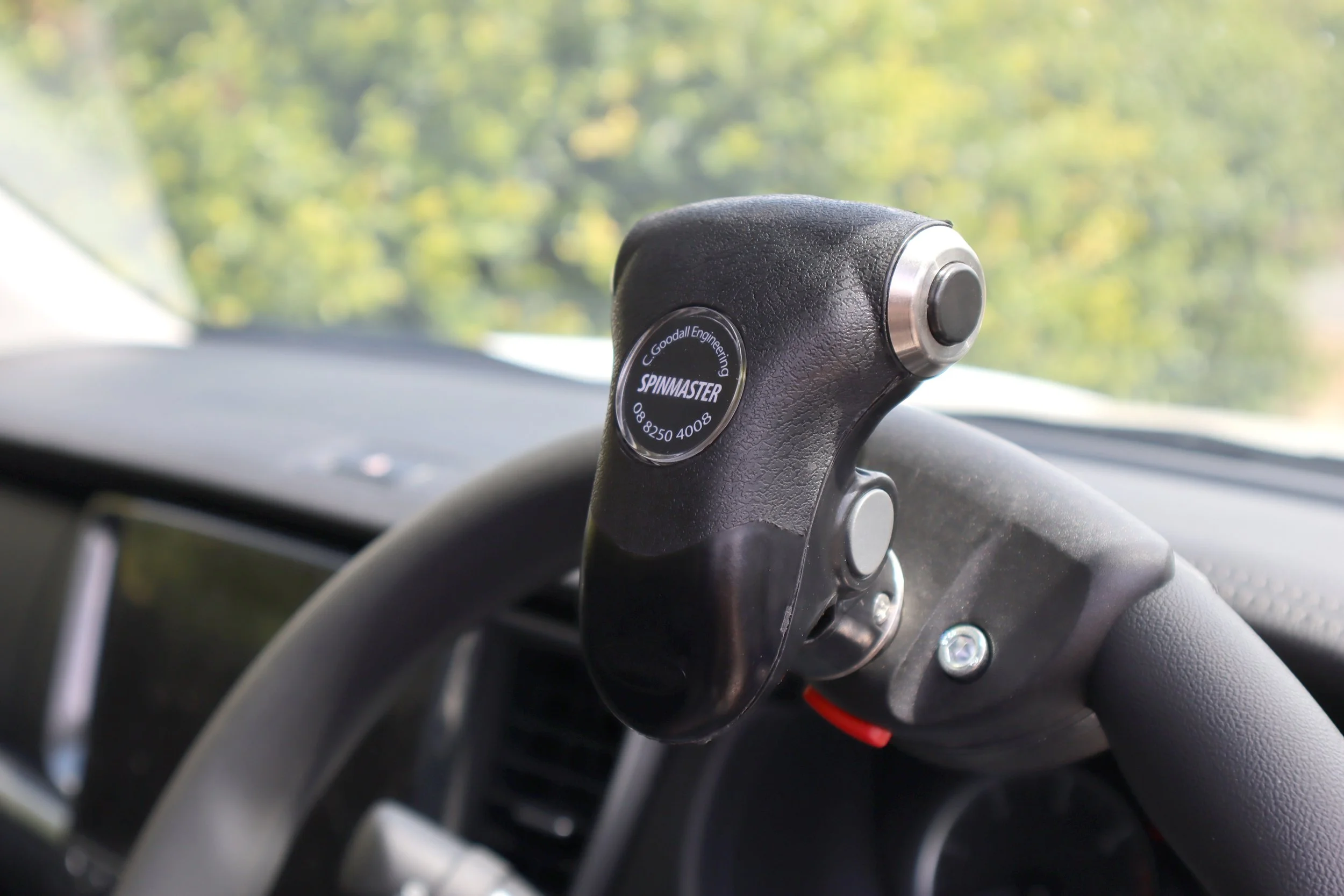
Steering aids. A spinner knob or similar device fitted to the steering wheel, allowing the driver to steer with one hand. This is commonly used when a condition has affected strength or movement on one side of the body (for example, after a stroke or with a limb amputation).
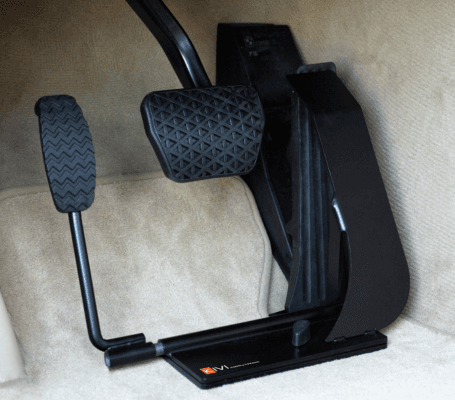
Left-foot accelerator. An accelerator pedal fitted to the left side of the brake pedal, allowing the driver to use their left foot for both braking and accelerating. This is used when the right leg can't safely operate the standard accelerator (due to amputation, weakness, or reduced sensation).
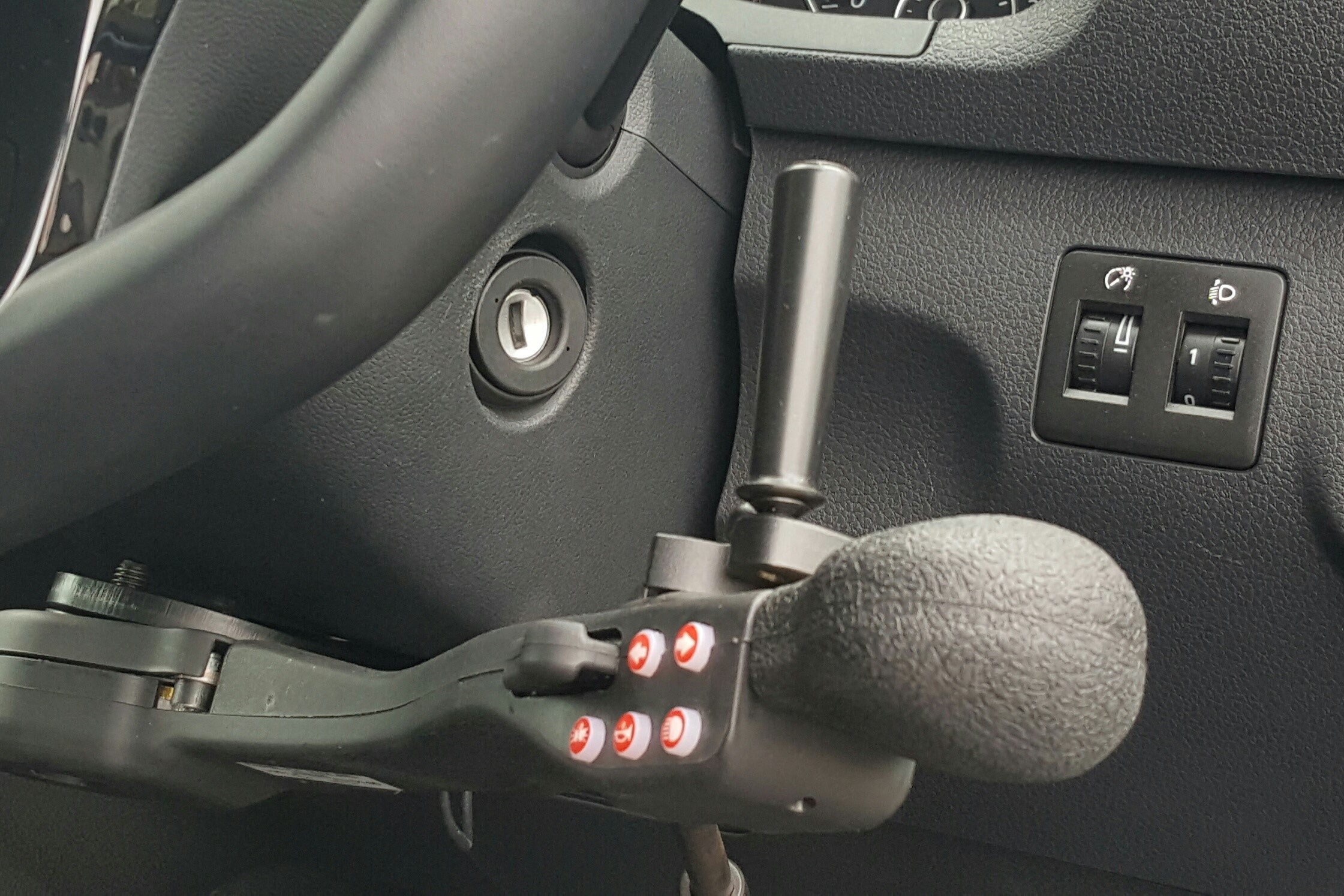
Hand controls. Lever or push-pull systems that allow the driver to operate the accelerator and brake using their hands instead of their feet. This is used for more significant lower limb impairments, such as paraplegia or bilateral lower limb amputations.
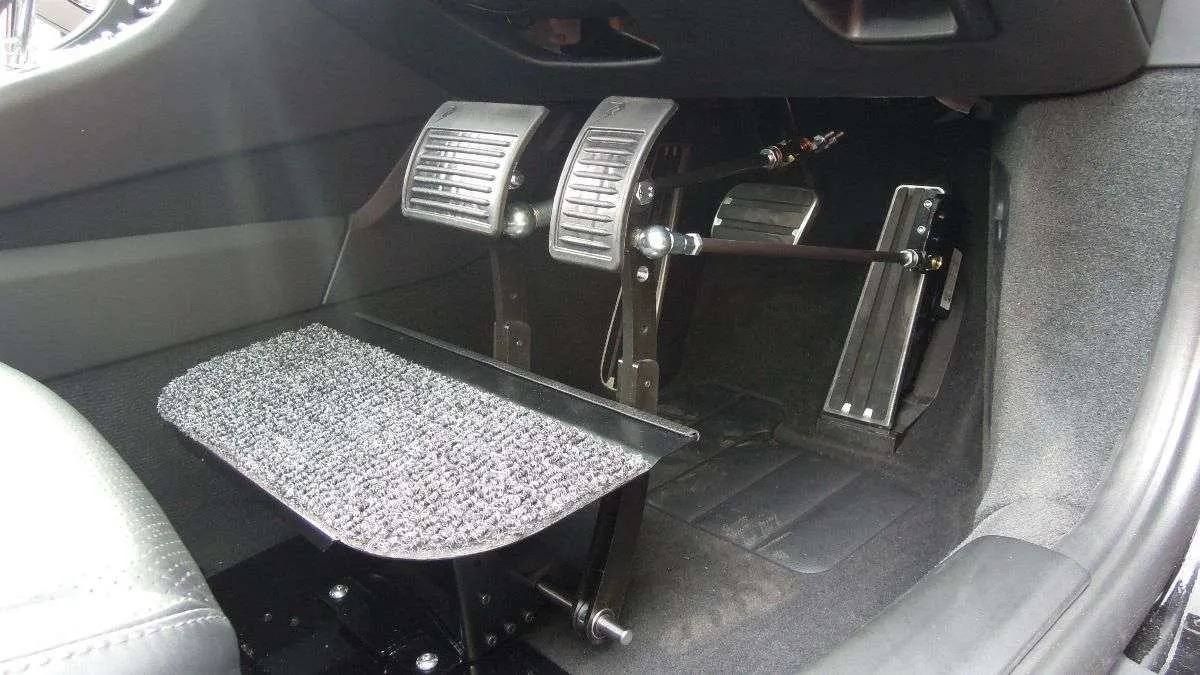
Pedal extensions. Pedals that are extended or raised to accommodate drivers of shorter stature or those who can't reach the standard pedals comfortably. These are often paired with a false floor.
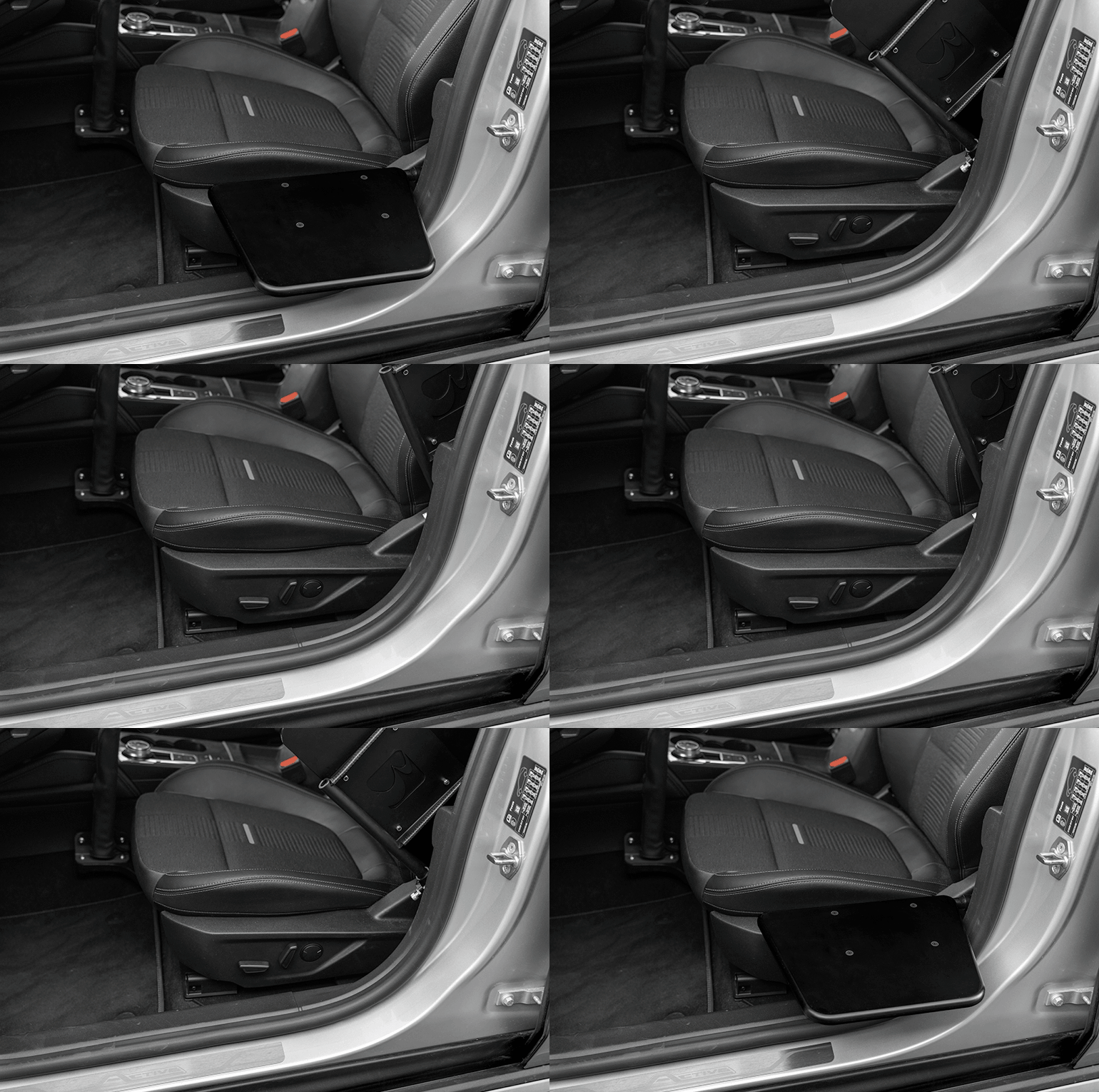
Seating modifications. Adapted seating, swivel seats, or transfer boards to help drivers get in and out of the vehicle, or to ensure they're positioned correctly for driving.
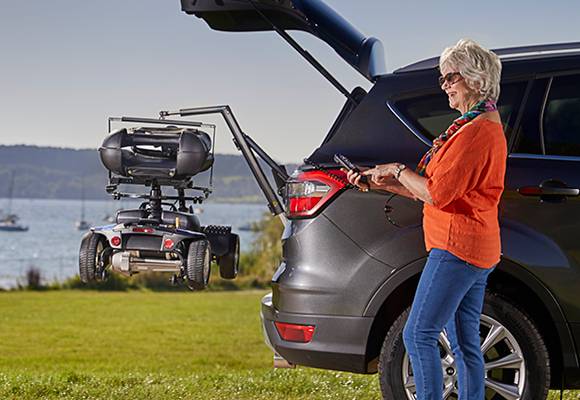
Wheelchair storage or access. Roof-mounted hoists, boot-mounted lifts, or ramp access for wheelchair users.
How the process works in NSW
Vehicle modifications for driving can't just be installed and used. There's a formal process to make sure the modifications are right for you and that you can use them safely.
Step 1: OT driving assessment
The process starts with an OT driving assessment. The OT evaluates your physical, cognitive, and visual abilities as they relate to driving, and determines:
What specific modifications (if any) you need
Whether modifications alone will make driving safe, or whether additional supports are needed
What type of vehicle is most suitable
This assessment is important because the wrong modification, or a modification fitted without proper assessment, can actually make driving less safe.
Step 2: Modification prescription
Based on the assessment, the OT prescribes the specific modifications. The prescription is detailed: it specifies the type of equipment, where it should be fitted, along with many other requirements.
The OT can also recommend a vehicle modifier (a qualified technician who installs driving modifications) and coordinate the installation.
Step 3: Installation
A qualified vehicle modifier installs the equipment. The vehicle must then pass an inspection to confirm the modifications meet Australian Design Rules and NSW requirements.
Step 4: Driving lessons with the modifications
Once the modifications are fitted, you'll typically need a set of driving lessons with a rehabilitation driving instructor to learn how to use the new equipment. Even if you're an experienced driver, using hand controls or a left-foot accelerator for the first time requires practice.
Step 5: OT reassessment
After completing the lessons, the OT reassesses you driving with the modifications in place. This confirms that the modifications are working as intended and that you can drive safely with them.
Step 6: Disability driving test (if required)
If your modifications change the way you operate the vehicle's major controls, Transport for NSW may require you to pass a disability driving test. This is a practical driving test conducted through a Service NSW centre, in your modified vehicle. Your OT will advise whether this step is needed.
Step 7: Licence conditions
Once everything is complete, Transport for NSW updates your licence with conditions specifying that you must drive with the prescribed modifications. For example, your licence may state "must drive an automatic vehicle with hand controls" or "must use a steering aid."
Who pays for vehicle modifications?
Vehicle modifications can be expensive, but several funding pathways are available in NSW.
NDIS. For eligible NDIS participants, vehicle modifications can be funded through the plan, typically under Assistive Technology or Improved Daily Living categories. The OT's assessment and prescription are usually required as part of the NDIS approval process.
iCare. For people injured in workplace accidents or motor vehicle accidents covered by CTP insurance, iCare may fund modifications as part of rehabilitation.
DVA. For eligible Department of Veterans' Affairs cardholders, modifications may be funded through DVA.
Private payment. If no funded pathway applies, you can self-fund modifications.
In most cases, the funding body requires the OT assessment and prescription before approving modification costs.
Common questions about vehicle modifications
Can I install modifications myself? No. Vehicle modifications must be installed by a qualified vehicle modifier and inspected to ensure they meet safety standards. DIY modifications are not legal and can be dangerous.
Do modifications affect my car insurance? You should notify your insurer about any modifications to your vehicle. Most insurers will cover modified vehicles, but they need to know about the changes. Failure to disclose modifications could void your policy.
Can I remove modifications and drive without them? Not if your licence specifies that you must drive with them. Driving without your prescribed modifications when your licence requires them is a breach of your licence conditions.
What if my condition changes and I no longer need modifications? If your condition improves (for example, you've recovered from a stroke and regained full function), your doctor can refer you for another OT assessment. If the OT determines that modifications are no longer needed, they can recommend that the licence conditions be updated.
Can I drive someone else's unmodified car? Not if your licence requires modifications. You can only legally drive a vehicle fitted with the modifications specified on your licence.
How to start the process
If you think you might need vehicle modifications to drive safely, the first step is an OT driving assessment. Your GP, specialist, or rehabilitation team can refer you, or you can start the process directly at steerdriving.com.au/referral.
Need an OT driving assessment in Sydney? Steer Driving is a mobile OT driving assessment service covering greater Sydney.
This article was written by Elise, an AHPRA-registered Occupational Therapist and Transport for NSW-registered driver assessor. Elise is the founder of Steer Driving, a mobile OT driving assessment practice in Sydney.
FAQ Section
What vehicle modifications are available for drivers with disabilities? Common modifications include steering aids (spinner knobs), left-foot accelerators, hand controls, pedal extensions, and wheelchair storage solutions. The right modification depends on your individual needs, determined through an OT driving assessment.
Do I need an OT assessment before getting vehicle modifications? Yes. In NSW, vehicle modifications for driving must be prescribed by a driver-trained OT based on a formal assessment. This ensures the modifications are appropriate and safe for your specific situation.
Can the NDIS fund vehicle modifications? Yes, for eligible NDIS participants. Vehicle modifications are typically funded under Assistive Technology or Improved Daily Living categories. The OT's assessment and prescription are usually required as part of the approval process.
Do I need a special driving test after getting modifications? If your modifications change how you operate the vehicle's major controls, Transport for NSW will require you to sit a disability driving test. Your OT will advise whether this applies to you.
Can I drive any car, or only my modified vehicle? If your licence specifies that you must drive with certain modifications, you can only legally drive vehicles fitted with those modifications.
How long does the whole process take? It varies depending on the complexity of the modifications, equipment availability, and funding approval timelines. From initial OT assessment to driving independently with modifications, the process typically takes several weeks to a few months.